

Sep 10, 2026
Increasing Website Security.

When speaking about the world of websites and online platforms, one indispensable aspect that must always be at its core is security. The importance of website security cannot be overstated, especially in a digital landscape where cyber threats are increasingly prevalent and sophisticated. Ensuring a safe and secure online environment for both the website owner and its visitors is universally paramount.
Typically, website security encompasses a range of practices and measures designed to protect the integrity of the site, the data it holds, and the privacy of its users. From encryption protocols to firewall protection, there are various tools and techniques available to safeguard against potential cyber attacks and breaches. However, in essence, the responsibility of maintaining robust website security lies primarily with the website owner and administrators.
Fundamentally, a multi-layered approach to security is commonly recommended in order to create a comprehensive defense system against cyber threats. By combining preventive measures like regular software updates and secure authentication processes with reactive strategies such as malware scanning and data backup, website owners can significantly reduce the risk of security incidents.
Overall, the goal of increasing website security is not only to prevent unauthorized access and data breaches but also to build trust with visitors and customers. Security breaches can have far-reaching consequences, including reputational damage, financial loss, and legal implications. Therefore, investing time and resources into enhancing website security is not only a wise decision but a necessary one in today's digital age.
Despite this, it's essential to acknowledge that the landscape of cybersecurity is ever-evolving, with new threats emerging continuously. Being proactive rather than reactive is key. One effective strategy to stay ahead of potential risks is to conduct regular security audits and vulnerability assessments. By identifying weaknesses in the system proactively, website owners can take prompt action to address any vulnerabilities before they are exploited by malicious actors.
Moreover, implementing strict access controls and user permissions can further enhance website security. Limiting access to sensitive data only to those who require it for their roles can minimize the risk of unauthorized data breaches. Similarly, educating employees and administrators on best security practices and the importance of data protection can create a culture of cybersecurity awareness within the organization.
In reality, no website can ever be 100% immune to cyber threats. However, by adopting a proactive and holistic approach to security, website owners can significantly reduce the likelihood of security breaches and minimize their potential impact. The investment made in enhancing website security can ultimately save businesses from costly repercussions that may arise from a breach.
Another key point to highlight is the role of encryption in safeguarding data. Utilizing secure encryption protocols can protect sensitive information from being intercepted or accessed by unauthorized parties. Encrypting data both in transit and at rest adds an extra layer of security to the website infrastructure.
In light of these considerations, one must recognize that ensuring website security is an ongoing process that requires dedication, resources, and a proactive mindset. By prioritizing security measures and staying informed about the latest cybersecurity trends and threats, website owners can fortify their online presence and protect their digital assets effectively.
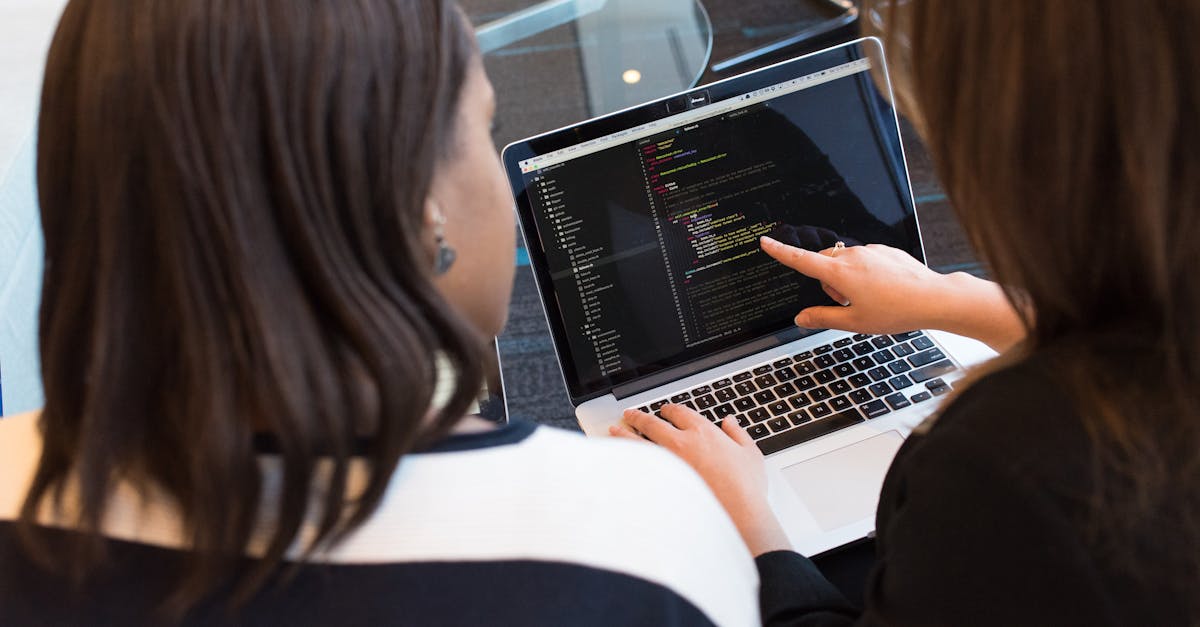
Enhancing the Safety of Your Website
One effective way to fortify website security, especially when handling sensitive data or processing online transactions, is to implement Secure Sockets Layer (SSL) certificates. SSL certificates help establish an encrypted link between the web server and the browser, ensuring that data transferred between the two remains secure and confidential. Websites that utilize SSL certificates display a padlock icon in the browser's address bar, indicating to visitors that their connection is secure.
Additionally, maintaining regular communication with web hosting providers and software developers is crucial to staying up-to-date with the latest security patches and updates. Hackers often exploit vulnerabilities in outdated software to gain unauthorized access to websites. By promptly applying security patches and updates, website owners can patch any known vulnerabilities and strengthen their defenses against potential cyber threats.
In today's interconnected digital landscape, the security of a website is intertwined with the security of its users. For this reason, implementing strong password policies and encouraging visitors to use complex, unique passwords can go a long way in preventing unauthorized access to accounts. Two-factor authentication (2FA) is another excellent security measure that adds an extra layer of protection by requiring users to provide two pieces of identification before accessing their accounts.
Moreover, conducting regular security training sessions for employees and website administrators can help raise awareness about common cyber threats and best security practices. Educating staff on how to identify phishing emails, avoid clicking on suspicious links, and report potential security incidents can significantly reduce the risk of human error leading to a security breach.
The landscape of cybersecurity will continue to evolve, and website owners must adapt their security measures accordingly. By staying vigilant, proactive, and informed about the latest security trends and best practices, businesses can mitigate the risks posed by cyber threats and safeguard their online assets effectively.
To conclude, safeguarding your website's security is a critical endeavor that requires continuous effort, vigilance, and a proactive approach. By implementing multi-layered security measures, staying informed about the latest cyber threats, and investing in secure technologies like SSL certificates, website owners can significantly reduce the risk of security breaches and protect their online assets effectively. Remember, in today's interconnected digital world, the security of your website is inseparable from the security of your users and visitors. Therefore, by prioritizing security, educating your team on best practices, and conducting regular security audits, you can create a resilient defense system that fortifies your online presence against potential threats.
As the cybersecurity landscape evolves and new challenges arise, adapting your security strategies accordingly is paramount. Embracing encryption, maintaining communication with service providers for updates, and enforcing strong password policies are crucial steps in enhancing your website's security posture. By fostering a culture of cybersecurity awareness and making security a top priority, you not only protect your digital assets but also build trust with your audience. In a digital era where data breaches can have severe repercussions, investing in website security becomes not only a necessity but a strategic advantage that sets your platform apart.
Ultimately, the journey to bolstering website security is a continuous one, requiring dedication and a proactive stance to combat ever-evolving cyber threats. By integrating robust security measures, maintaining communication with industry experts, and empowering your team with the knowledge to identify and address potential security risks, you can navigate the complexities of the digital realm with confidence and resilience. Your commitment to enhancing website security is not just about protecting your data; it's a testament to your dedication to safeguarding the trust and integrity of your online presence, now and in the future.

Title
I'm a paragraph. Click here to add your own text and edit me. It's easy.
Title
I'm a paragraph. Click here to add your own text and edit me. It's easy.
Title
I'm a paragraph. Click here to add your own text and edit me. It's easy.